Share this post:



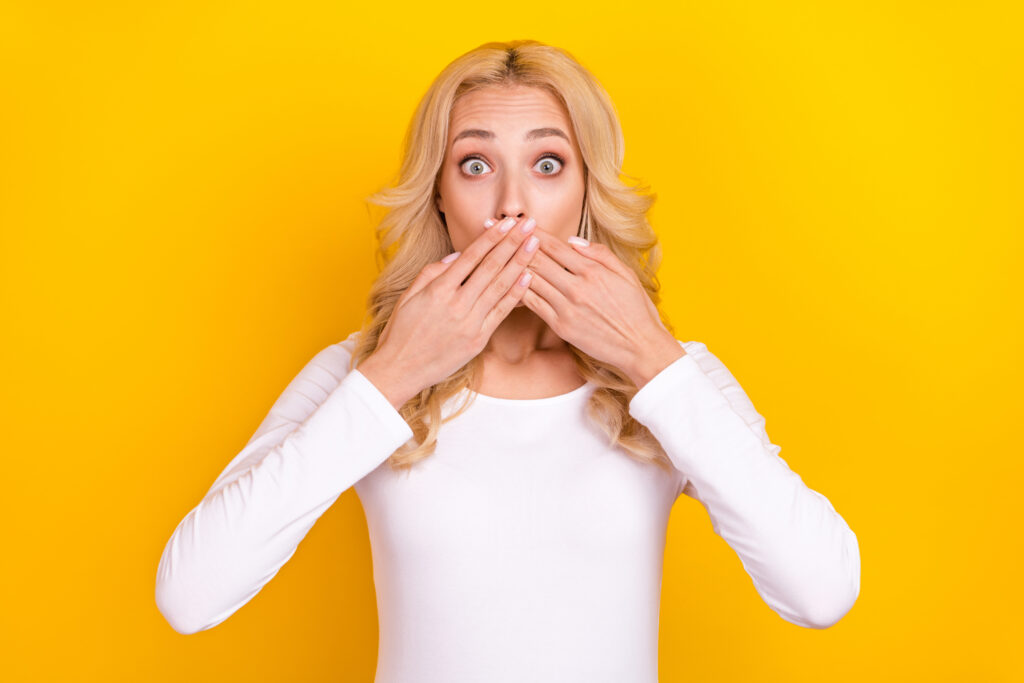
“Is this normal?”: The period symptoms you’re too embarrassed to talk about

Women have been menstruating since the dawn of humanity. Evidence suggests that as far back as the Stone Age (circa 30,000–3,000 BCE), people used materials such as leather, moss, sand, and linen to manage menstrual flow.1https://www.modibodi.co.uk/blogs/womens/history-menstruation.
The menstrual cycle is a completely natural biological process—so why does it still carry so much stigma? Across many cultures, periods are surrounded by silence, shame, embarrassment, and even discrimination.2https://www.ncbi.nlm.nih.gov/books/NBK565666
In this article, we tackle your embarrassing, often unasked questions about periods and symptoms—and help you understand what’s actually normal.
1. Digestive issues – aka ‘Period Poop’
Loose stools? Constipation? Extra gas or bloating around your period? You’re not imagining it.
These changes are largely caused by prostaglandins—hormone-like compounds released when progesterone levels suddenly drop at the start of menstruation. Prostaglandins trigger the uterus to contract and shed its lining, but they can also stimulate the bowels, leading to diarrhoea, cramping, or bloating.3https://www.medicalnewstoday.com/articles/327009#periods-and-bowel-movements
Inflammatory conditions such as endometriosis can increase prostaglandin levels, often causing more painful periods and digestive symptoms.
2. Yes – ‘Period Farts’ are a thing!
More gas? Stronger smells? Totally normal. Again, prostaglandins are usually the culprit. Hormonal changes can alter digestion and gut motility, which may lead to increased gas production or stronger odours during menstruation.4https://pubmed.ncbi.nlm.nih.gov/6790261/
3. “I can’t stop falling asleep!“
Finding yourself nodding off on the bus, during meetings, or while watching TV?
Fluctuations in oestrogen and progesterone can cause drowsiness and fatigue during your period. Tiredness may also be worsened by poor sleep due to cramps, pain, or heavy bleeding.
If exhaustion feels overwhelming or persistent, it’s important to get checked with your GP and rule out low iron (anaemia).5https://www.nhs.uk/conditions/iron-deficiency-anaemia/
4. “Help! I can’t control my food cravings!“
Falling levels of serotonin—the brain chemical responsible for mood regulation—can drive cravings for sweet or salty foods, which help the body temporarily boost serotonin levels.6https://www.healthline.com/health/period-cravings. Hormonal changes can also affect appetite and blood sugar balance, making “comfort foods” especially appealing.7https://onlinedoctor.lloydspharmacy.com/uk/womens-health-advice/energy-levels-through-your-menstrual-cycle
5. Feeling low
After ovulation, levels of oestrogen and progesterone drop sharply, which can reduce serotonin levels in the brain and affect mood.8https://www.healthline.com/health/pms-depression You may experience sadness, tearfulness, irritability, or anxiety in the days before or during your period.9https://kidshealth.org/en/teens/period-blues This is normal and very common – you’re not alone!
6. Brain fog
Struggling to concentrate? Feeling spaced out, forgetful, or unable to multitask?
This “brain fog” is another common symptom linked to hormonal fluctuations and lower serotonin levels around ovulation and menstruation.10https://www.orlandohealth.com/content-hub/unexpected-ways-your-cycle-messes-with-you.
7. Spots & hormonal acne
Hormonal changes can increase sebum (oil) production, which may clog pores and contribute to breakouts. Everyone responds differently to hormone fluctuations.
Other contributing factors include:
- Blood sugar or insulin imbalances
- Polycystic Ovary Syndrome (PCOS)
- Stress
- Certain contraceptive pills
The p.acnes bacteria can be harmless, but when it’s paired with excess levels of sebum, it can result in clogged pores and breakouts.11https://pmc.ncbi.nlm.nih.gov/articles/PMC414281812https://www.nhs.uk/conditions/acne/. Here are 6 ways to reduce your hormonal acne!
8. What about sex?
You can have sex on your period if you want to.
It’s safe, though it can be messier, and it’s entirely a personal choice. Open communication with your partner is key. Some people find period sex just as pleasurable (or more so), with a little preparation—such as removing a tampon, using dark towels, or opting for the shower or bath.13https://www.healthline.com/health/womens-health/sex-during-periods
Hormones are made in your gut14https://pmc.ncbi.nlm.nih.gov/articles/PMC7147657/, so supporting gut health can play a key role in managing your monthly symptoms! Following Chuckling Goat’s Gut Health Protocol, and trying Premium Shatavari Herbal Tincture can rebalance hormones and help you take control of your periods.
👉 Check out our other articles, including: Are your periods getting you down? 4 tips for monthly relief!
Periods are highly individual, and everyone experiences them differently. While many symptoms are normal, you should never feel dismissed or ignored if your cycle is negatively affecting your quality of life. If symptoms are severe, persistent, or worsening, speak to your GP.
Any questions? Contact one of our Nutritional Therapists via live chat, weekdays from 8am to 8pm.
References
- 1
- 2
- 3
- 4
- 5
- 6
- 7
- 8
- 9
- 10
- 11
- 12
- 13
- 14