
Share this post:


Is kefir actually good for IBS? A balanced guide

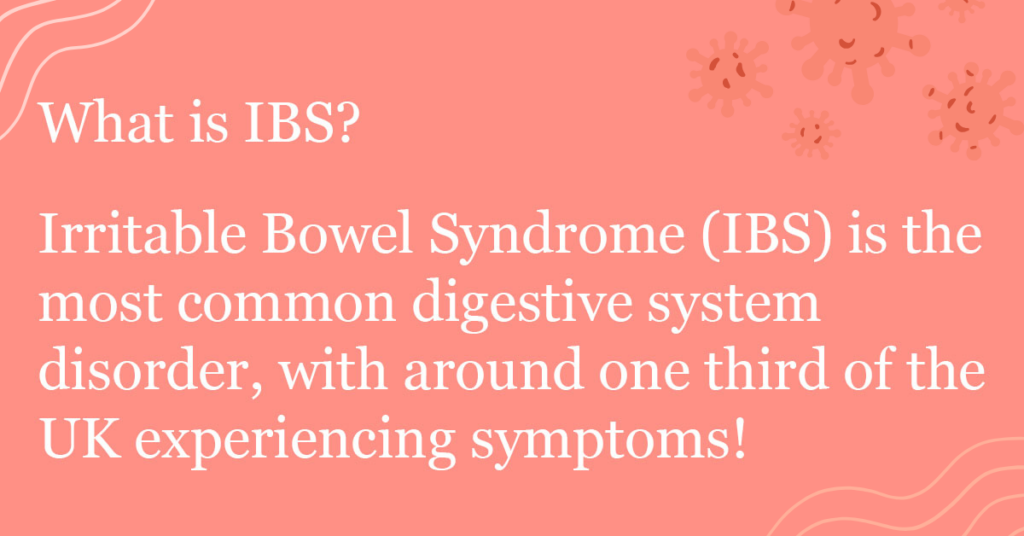
Irritable Bowel Syndrome (IBS) is one of the most common digestive system disorders, affecting around one-third of people in the UK.1https://gutscharity.org.uk/awareness/ibs-awareness-month/
If you have IBS, you may be familiar with unpredictable abdominal pain, bloating, gas, and changes in bowel habits. This unpredictability can make social situations, travel, or even mealtimes stressful. Many people wonder whether kefir – a fermented milk drink – might support gut health and help with symptoms.
The simple answer? Yes! Kefir may help some people with IBS by supporting gut microbial balance. But a gradual approach, combined with a balanced diet and stress management, is key.
What causes IBS?
There are many factors that can contribute to IBS. These include abnormalities in gut motility, heightened sensitivity of the intestines, and disturbances in the gut-brain axis. Stress, hormonal changes, and food intolerances can also complicate IBS symptoms.
Many individuals with IBS report that their symptoms are triggered by specific food groups, leading to them reducing or cutting out some foods to help manage the condition. However, improving IBS symptoms often requires a broader approach.
How can kefir help?
Kefir is a fermented milk drink that is full of live active cultures. Chuckling Goat Probiotic Kefir, for example, contains 27 different strains of live and active cultures. Research suggests that fermented foods like kefir can have a potential role in supporting gut microbial balance.
By supporting gut health at its roots, kefir provides that holistic approach needed for effectively managing IBS. This leads to improved overall digestive function, and a reduction in the frequency and intensity of any discomfort brought on by the condition.2https://pmc.ncbi.nlm.nih.gov/articles/

Key ways kefir might support gut health and reduce symptoms of IBS include:
- Probiotics: Diverse bacterial strains in kefir may help maintain a healthy gut microbiome, improve gut barrier function, and support intestinal motility.3https://pmc.ncbi.nlm.nih.gov/articles/
- Inflammation: Kefir helps reduce inflammation in the digestive tract, which can contribute to IBS symptoms.4https://academic.oup.com/nutritionreviews/
- Immune support: Probiotics in kefir can support gut immunity, potentially balancing factors that exacerbate symptoms.5https://www.ncbi.nlm.nih.gov/pmc/articles/
- Lactose digestion: Fermentation reduces lactose content, making kefir easier to digest for some people with lactose sensitivity, which can co-occur with IB.6https://www.healthline.com/nutrition/9-health-benefits-of-kefir
- Gut-brain support: A balanced microbiome positively influences the gut-brain axis, supporting stress and anxiety management.7https://pmc.ncbi.nlm.nih.gov/articles/ A 2023 Cardiff University study found that daily consumption of Chuckling Goat’s Kefir and Complete Prebiotic significantly improved emotional wellbeing, workplace satisfaction, and overall mental health in just six weeks. Read more here!
How long does it take to see results?
Incorporating kefir into your diet is a key step towards improving your gut health, but it’s important to remember that it’s not a quick fix. Rebalancing the gut microbiome takes time and consistent effort.8https://www.bbc.co.uk/food/articles/gut_bacteria
Some people may notice changes in a few days or weeks, while others may take months. Consistency is key. Combining kefir with lifestyle changes, such as regular physical activity and stress-reduction techniques, may accelerate improvements.
Can kefir make IBS worse?
Some people may notice temporary increases in bloating, cramping, or gas when first introducing kefir. This is often due to increased gut activity as probiotics begin to adjust the microbiome.
To reduce the likelihood of this happening, it’s important to start with small amounts, for example, 1 TBSP per day for one week, increasing to 2 TBSP in the second week, and so on until reaching the full recommended 170ml daily dose. Monitor your symptoms and adjust as needed.
Kefir can be a supportive tool for many people with IBS. Its live cultures may help rebalance the gut microbiome, improve digestion, support lactose tolerance, and even positively influence mood through the gut-brain connection. While individual responses vary, many people notice reduced discomfort and better overall gut health when they consistently incorporate kefir into their diet. You can read the reviews here!
Questions? Contact one of our Nutritional Therapists via live chat 8 am to 8 pm on weekdays for bespoke advice on gut wellness.
References
- 1
- 2
- 3
- 4
- 5
- 6
- 7
- 8