Share this post:


11 simple ways to support kidney health naturally

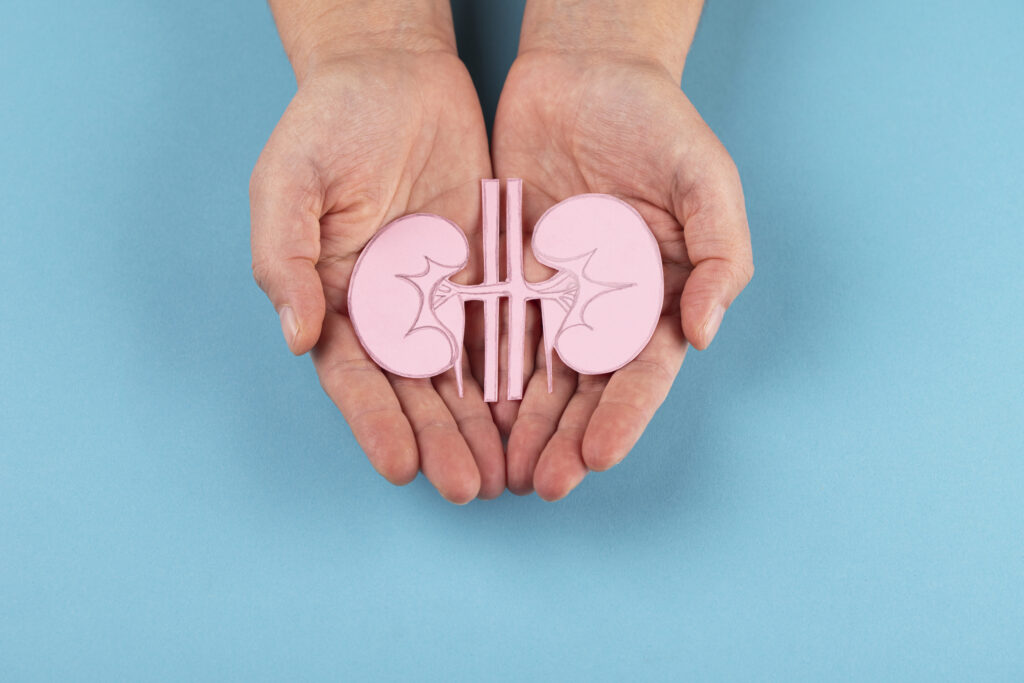
Your kidneys may be small, but they are among the hardest-working organs in your body. Every day, these two bean-shaped organs filter around 150–190 litres of blood, helping remove waste products, balance fluids, regulate electrolytes and maintain many of the processes your body relies on to stay healthy.1https://newsinhealth.nih.gov/2013/03/keep-your-kidneys-healthy
Because they work quietly behind the scenes, kidney health is often overlooked until something goes wrong. Yet supporting your kidneys doesn’t have to be complicated. Simple daily habits, from staying hydrated to eating a nutrient-rich diet, can help protect kidney function and support your overall wellbeing.
Why your kidneys matter
Your kidneys perform several essential functions:2https://my.clevelandclinic.org/health/
- Filter waste products from the blood
- Balance fluid levels
- Regulate electrolytes such as sodium and potassium
- Help control blood pressure
- Support hormone production
- Remove excess water and toxins through urine
When kidney function becomes impaired, waste products can build up in the body, affecting energy levels, circulation and overall health.
Because the kidneys are involved in so many important processes, looking after them is an important part of maintaining long-term health.
Who is most at risk of kidney problems?
Kidney issues often develop quietly, so many people don’t realise there’s a problem until it has progressed. Certain groups are more at risk, including those with high blood pressure, diabetes, and a family history of kidney disease. Age also plays a role, as kidney function gradually declines over time.
Other risk factors include smoking, obesity, and long-term use of medications such as NSAIDs.3https://www.mayoclinic.org/diseases-conditions/
If you fall into one of these groups, regular check-ups and healthy lifestyle habits become even more important.
11 ways to support your kidneys naturally
Your kidneys are hard at work filtering around 50 gallons of blood daily, so giving them the right fuel is important. Luckily, many everyday foods and lifestyle habits can make a real difference when it comes to kidney health!
Everybody is unique, so it’s important to remember that not all foods and herbs suit everyone. This is especially true for kidney health, where potassium content and certain compounds may not be appropriate depending on your situation.
If you have kidney concerns or a chronic health condition, always check with your GP before making dietary or herbal changes.
- Stay well hydrated – Adequate hydration helps the kidneys remove waste products efficiently and supports healthy fluid balance. Aim to drink consistently throughout the day rather than consuming large amounts all at once.4https://www.kidneyresearchuk.org/kidney-health-information/
- Enjoy more berries – Blueberries, strawberries and cranberries are rich in antioxidants that may help protect kidney tissues and reduce inflammation.5https://pubmed.ncbi.nlm.nih.gov
- Eat more leafy greens – Leafy greens such as kale, spinach, and beetroot greens provide important nutrients, including magnesium, vitamin C, and plant compounds that support circulation and overall health.6https://pubmed.ncbi.nlm.nih.gov/
- Include fibre-rich legumes – Beans, lentils, and chickpeas provide fibre that supports gut health, blood sugar regulation, and metabolic wellbeing, all important factors for kidney health.
- Choose olive oil – A Mediterranean-style diet rich in olive oil has been associated with cardiovascular and kidney health benefits thanks to its anti-inflammatory compounds.7https://pubmed.ncbi.nlm.nih.gov/
- Eat oily fish – Salmon, sardines and mackerel provide omega-3 fatty acids, which may help reduce inflammation and support healthy kidney function.8https://pubmed.ncbi.nlm.nih.gov/
- Watch your salt intake – Too much sodium can increase blood pressure and place additional strain on the kidneys. Try flavouring meals with herbs and spices instead of relying heavily on salt.
- Support your microbiome – The gut and kidneys are more connected than many people realise. A healthy microbiome may help support inflammation balance, blood sugar control, and blood pressure regulation. Fibre-rich foods, probiotics, and fermented foods can all play a role in reducing inflammation and improving renal function in chronic kidney disease patients.9https://pubmed.ncbi.nlm.nih.gov/
- Consider nettle leaf – Nettle has traditionally been used as a nourishing herbal tonic and contains compounds with anti-inflammatory and mild diuretic properties.10https://pubmed.ncbi.nlm.nih.gov/
- Goldenrod (Solidago virgaurea) – Goldenrod has a long history of traditional use for urinary tract support and may help support urinary comfort.11https://pubmed.ncbi.nlm.nih.gov/ However, it is not suitable for everyone and should be avoided by those with certain kidney conditions.12https://www.kidney.org/kidney-topics/
- Mullein (Verbascum thapsus) – Although best known for respiratory support, mullein has also been used traditionally in herbal medicine for its gentle diuretic properties.13https://pubmed.ncbi.nlm.nih.gov/
Small daily habits make a difference…
Supporting your kidneys does not require extreme diets or complicated routines. Staying hydrated, eating a colourful, fibre-rich diet, supporting your microbiome and adopting healthy lifestyle habits can all help your kidneys continue doing their remarkable work.
Like many aspects of health, prevention is often far easier than treatment. The small choices you make each day can have a meaningful impact on your kidney health for years to come.
If you’d like to learn more about supporting your kidneys naturally, explore our related articles below:
Any questions? Contact one of our Nutritional Therapists via live chat, weekdays from 8 am to 8 pm.
References
- 1
- 2
- 3
- 4
- 5
- 6
- 7
- 8
- 9
- 10
- 11
- 12
- 13