Share this post:


Pumpkin spice & everything nice: 5 health benefits of pumpkin

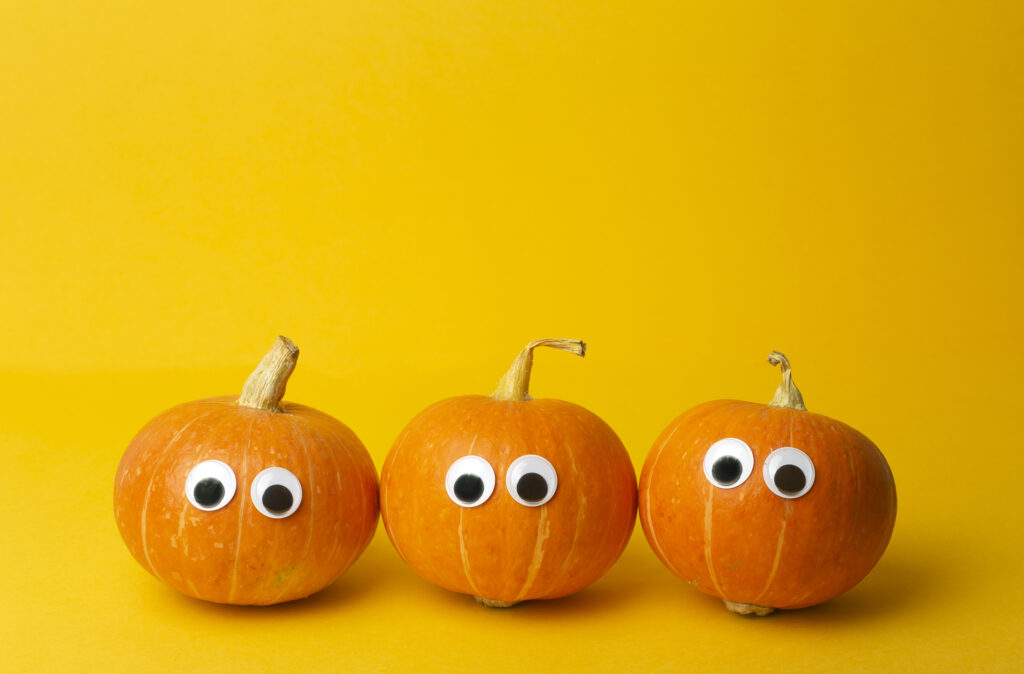
Pumpkins are famously associated with Halloween. But did you know there’s much more to this vegetable than just carving it up for fun and spooky atmosphere?
From the vibrant orange flesh, rich in beta-carotene, to the seeds, which provide healthy fats, protein and essential minerals, pumpkin is a versatile addition to your autumn menu.1https://pmc.ncbi.nlm.nih.gov/articles/ And its benefits go far beyond carving a scary face to frighten the trick-or-treaters!
Pumpkin contains fibre, vitamins, minerals and antioxidants that support several aspects of your health, including digestion, immune function, eye health and blood pressure.
So, once you’ve scooped out your pumpkin and carved your masterpiece, don’t let all that goodness go to waste! From warming soups and hearty stews, to roasted seeds and seasonal smoothies, there are plenty of delicious ways to enjoy it.
Let’s explore five reasons to make pumpkin a regular feature on your autumn menu –
1. Pumpkin supports digestion
Pumpkin contains dietary fibre, which helps keep things moving in the digestive system. Fibre adds bulk to your stool, helping it move smoothly through your intestines. Pumpkin also has a high water content, and this keeps your digestive system well hydrated.
The combination of water and fibre in your gut helps prevent constipation and promotes regular bowel movements.
Its naturally soft texture also makes cooked pumpkin a versatile ingredient in meals when you’re looking for something gentle and easy to eat – a good choice during digestive upset or recovery. The antioxidants and vitamins in pumpkin, particularly the polyphenols in the seeds, also help the healing of damaged gut lining, reducing discomfort and boosting recovery.2https://pmc.ncbi.nlm.nih.gov/articles/
2. Lowers inflammation
Pumpkin also contains special prebiotic fibres that feed the good bacteria in your gut, encouraging their growth and activity. Some fibres can be fermented by beneficial gut bacteria, producing compounds called short-chain fatty acids (SCFAs). These include acetate, propionate and butyrate, which help nourish the cells lining your colon, support the gut barrier and reduce inflammation.3https://pmc.ncbi.nlm.nih.gov/articles/
3. Boosts your immune system
The fibres, antioxidants and other nutrients in pumpkin help to maintain a diverse, thriving gut microbiome that supports digestion and regularity, and lowers inflammation. However, they also contribute to your immune health.
Compounds like butyrate and propionate influence your immune cells and signalling pathways, helping to optimise immune responses. They regulate the activity of many cells, such as cytokines. This prevents excessive responses that could lead to future autoimmune issues.4https://pmc.ncbi.nlm.nih.gov/articles/
By maintaining the health and function of these cells, your immune system’s ability to identify and respond to harmful pathogens improves. It also helps to prevent the immune system from mistakenly attacking your body’s own healthy tissues.
4. Pumpkin helps support healthy eyes!
Ever wondered what gives pumpkin its beautiful orange colour? The answer is largely beta-carotene, a plant pigment that your body can convert into vitamin A (retinol). And vitamin A is particularly important for your eyes! It helps maintain the cornea, the clear outer surface of the eye, and supports the production of a light-sensitive pigment in the retina that allows you to see in low-light conditions.5https://ods.od.nih.gov/factsheets/
Pumpkin also contains other carotenoids, including lutein and zeaxanthin. These pigments accumulate in the retina, particularly in the macula, where they help filter some high-energy blue light and protect cells against oxidative stress.6https://www.milaneyecenter.com/resources/
5. Supports healthy blood pressure
Looking after your blood pressure is an important part of maintaining long-term health, and getting enough potassium is one piece of the puzzle.
Pumpkin provides potassium, an essential mineral that helps your muscles and nerves function normally.7https://ods.od.nih.gov/factsheets/ It also plays a role in maintaining fluid balance and supporting a healthy heartbeat.
Potassium is particularly important for blood pressure because it helps counter some of the effects of sodium.
Consuming too much sodium can contribute to higher blood pressure, while potassium helps your kidneys remove sodium through urine.8https://www.bbc.co.uk/food/articles/ Getting enough potassium as part of a balanced diet can therefore help support healthy blood pressure.
Of course, pumpkin alone won’t lower high blood pressure. Your overall eating pattern matters, too, including how much salt you consume and whether you regularly eat a variety of fruit and vegetables.
Still, adding pumpkin to your meals is a delicious way to increase the variety of nutrient-rich foods in your diet.
Roast, mash or blend: How to enjoy pumpkin
With all those nutrients packed inside, pumpkin deserves a place on your plate, not just on your doorstep!
It’s naturally low in calories and offers a lovely combination of colour, flavour, fibre and beneficial nutrients.
Here are a few simple ways to make the most of your pumpkin:
- Roast it: Cut the flesh into chunks, drizzle with olive oil, add your favourite herbs and spices, and roast until tender and golden.
- Blend it into soup: Combine roasted pumpkin with onion, garlic and vegetable stock for a warming autumn lunch.
- Mash it: Swap some of your usual mashed potato for pumpkin, or combine the two for a colourful side dish.
- Stir it into breakfast: Add pumpkin purée to porridge or yoghurt for a seasonal twist.
- Blend it into smoothies: Mix a little pumpkin purée with banana, yoghurt and cinnamon for a creamy autumn-inspired drink.
- Add it to savoury dishes: Stir pumpkin purée into pasta sauces, curries or stews for extra flavour and nourishment.
- Don’t forget the seeds: Pumpkin seeds make a crunchy topping for soups, salads and yoghurt bowls. They’re also a source of protein, healthy fats and minerals.
One important tip: if you’re cooking with a carved Halloween pumpkin, make sure it was intended for eating and has been stored and handled safely. Discard any pumpkin that has become mouldy, slimy or spoiled, or that has been left somewhere warm for too long.
And remember, while pumpkin is packed with goodness, no single food can guarantee better health. It’s the variety of foods you eat over time that makes the difference.
Pumpkins might be the stars of Halloween, but their nutritional benefits make them worth enjoying long after the trick-or-treaters have gone home!
So, before you throw away those pumpkin leftovers, why not turn them into a warming soup, a colourful side dish or a batch of roasted pumpkin seeds?
Your taste buds might thank you, and you’ll be making better use of a wonderfully versatile autumn ingredient!
Looking for more ways to work with the season? Find out how Your body knows it’s autumn: 5 ways to work with the seasonal shift and Eat seasonally this autumn.
Any questions? Contact one of our Nutritional Therapists via live chat, weekdays from 8 am to 8 pm.
References
- 1
- 2
- 3
- 4
- 5
- 6
- 7
- 8