Share this post:


Why There’s No Such Thing As Wild

Maybe we’re not so different after all…
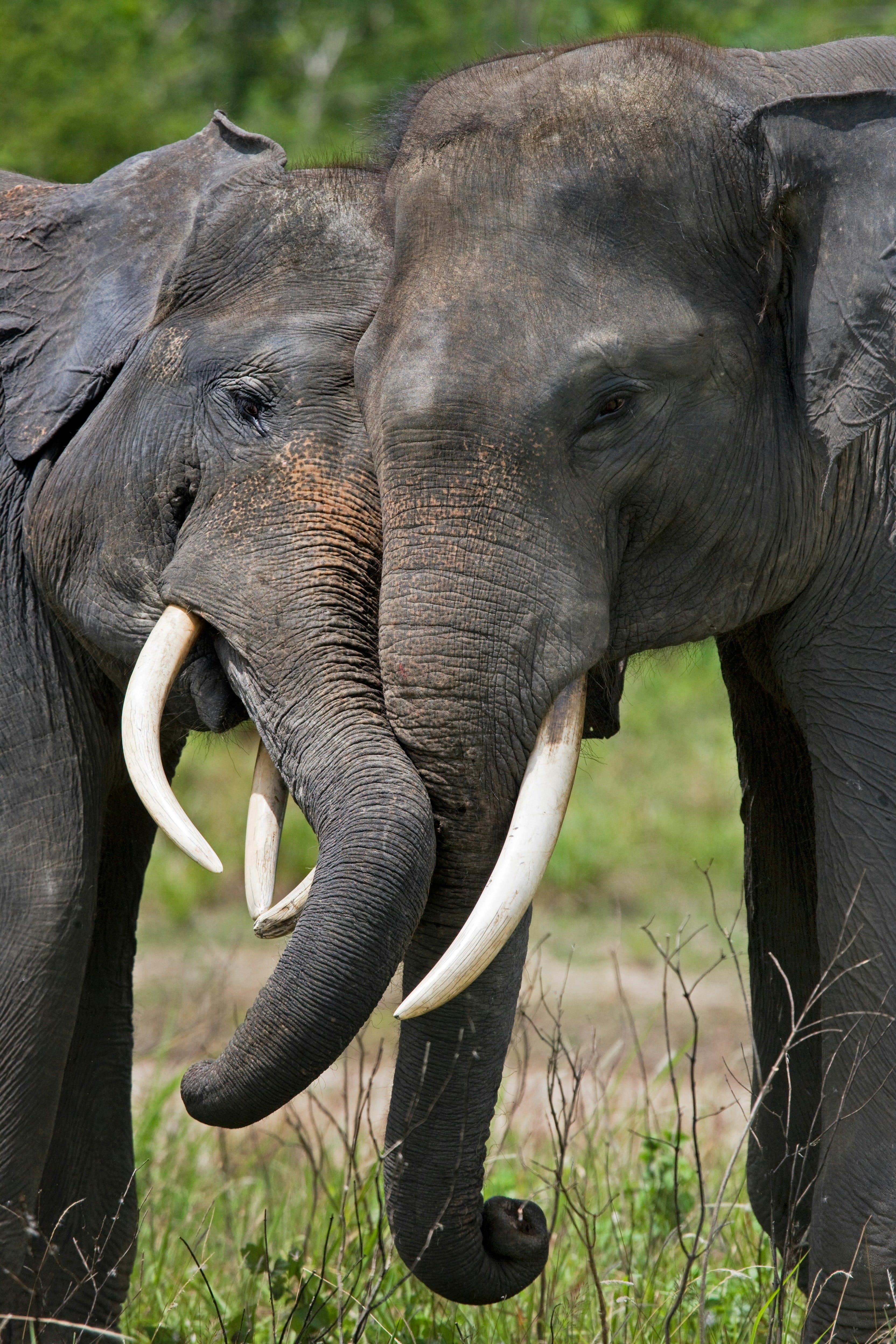
We humans think we’re great, because we’re…well, us.
But if you were to sit down every organism on this planet, and poll them about what they think of us- what do you think our approval percentages would be?
Human beings are really, really attached to a particular belief, and we spend a lot a lot of time and energy finding examples to back it up. It is this:
Human beings are superior to all other animals.
In service of this belief, we have tried for centuries to draw a bright and defensible line between humans and the rest of the living world. We’ve always made a distinction between “civilised” and “wild.” Humans were obviously special and unique in some way, and ultimately quite different from (and superior to) plants and animals. Everyone felt absolutely sure of that.
But how exactly?
First, we said that humans were the only creatures who think and reason. We even built that belief into our own scientific name. In 1758, the Swedish naturalist Carl Linnaeus, when establishing the modern system of biological classification, named our species Homo sapiens — the “wise human.”
Animals, in contrast, operated only on instinct.
Then scientists began studying animals more closely. Oops – turns out that ravens solve puzzles. Octopuses learn from experience. Primates plan ahead and recognise themselves in mirrors. The neat line between reason and instinct began to blur.
So, ever pragmatic, we just shifted the boundary.
Fine. Humans, we said next, are the only creatures who use tools.
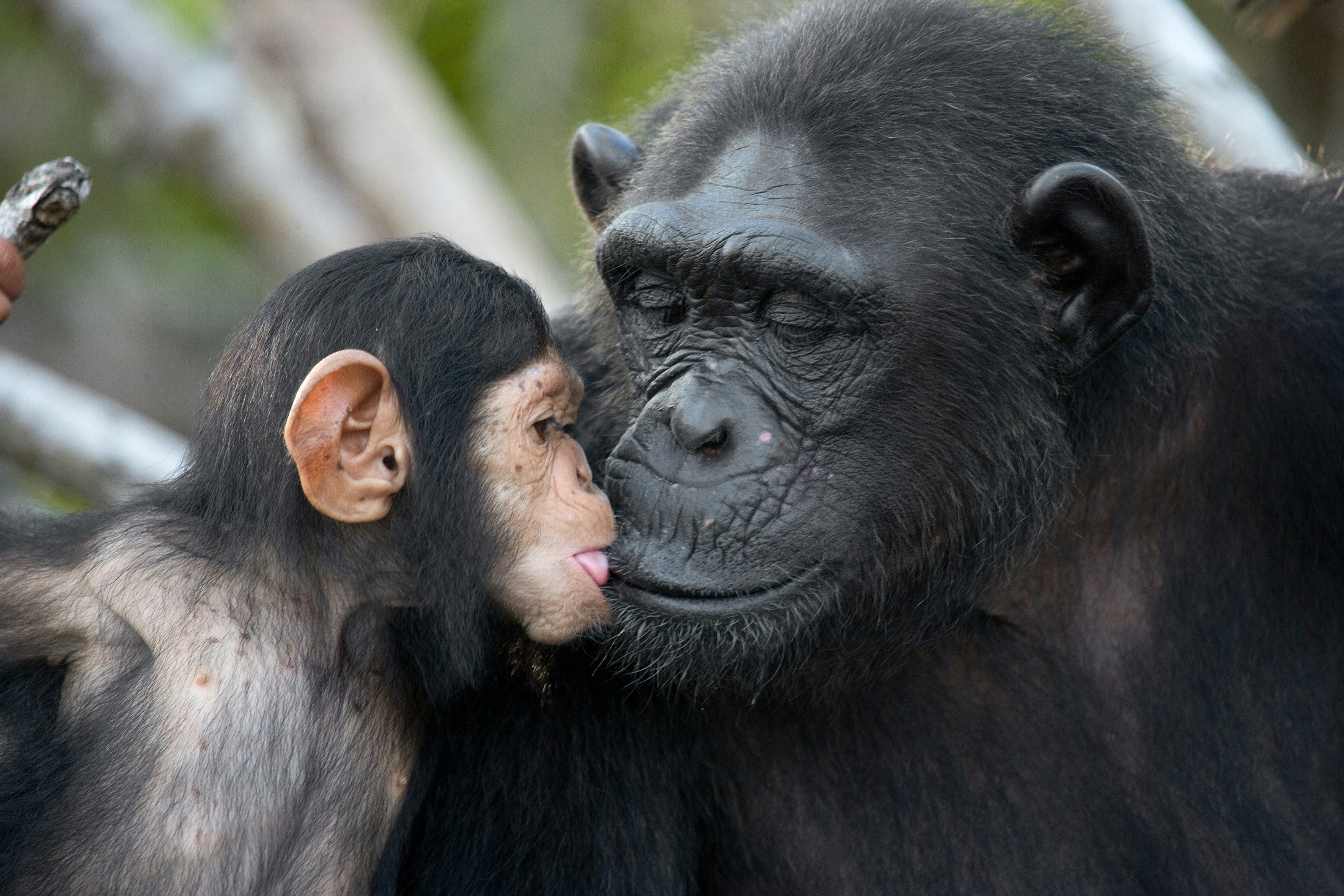
That worked for a while — until chimpanzees were observed stripping leaves from twigs to fish termites out of their mounds. Sea otters cracked shellfish open with stones balanced on their bellies. New Caledonian crows shape hooks to pull insects from crevices.
No problem. We just moved the goal posts again.
Humans, we then insisted, are the only creatures with language.
But whales sing in structured dialects that change over generations. Prairie dogs use complex alarm calls that distinguish between predators. Bees communicate the location of food through a symbolic dance.
Once again, the boundary wobbled.
Then we said – okay, okay, wait for it – humans are the ones who have culture! That will stick, surely.
Yet scientists now document cultural traditions in whales, elephants, primates, birds, and even fish — learned behaviours passed down through generations, varying from group to group.
So we went for this one, the ace up the sleeve, the one thing we were certain we could win every time: humans are the “nice” ones. We are the only organisms who are capable of cooperation, empathy, and altruism.
Surely this was the defining feature. Surely the rest of nature was governed only by competition and survival. Red of tooth and claw, etc. etc.
Sadly, not so much. Here, too, the evidence simply refuses to cooperate.
Animals appear to act in ways that are altruistic and cooperative. Interestingly, it’s some of the very animals that give us the Big Ick, that act in the most gorgeously generous of ways.
Take vampire bats, for example. Vampire bats must feed on blood every night; if a bat fails to feed for two nights in a row, it can die. And yet researchers have observed that bats who have successfully fed will regurgitate blood and share it with bats that failed to feed. Importantly, they share with non-relatives, not just with kin. They even remember who has shared with them before. The behaviour forms a reciprocal social network. So a bat may give away part of a meal that it really needs, in order to help another bat survive the night.
Then there are rats. No, don’t shudder – listen, this is amazing! Laboratory experiments at the University of Chicago showed that rats will learn how to open a restrainer holding another rat and release the trapped rat even when no reward is offered. In some experiments, rats were given a choice between eating chocolate and freeing another rat. Many rats freed the other rat first, then shared the chocolate.
(Field note: Don’t know about you, but there are members of my own genetic family whom I would not like to subject to that experiment, for certain fear of failure. Especially when you throw chocolate into the mix.)
Elephants have been observed supporting injured elephants so they can walk. They stay with sick or dying herd members. They attempt to lift or revive fallen companions. And they have been known to help humans who are in distress situations.
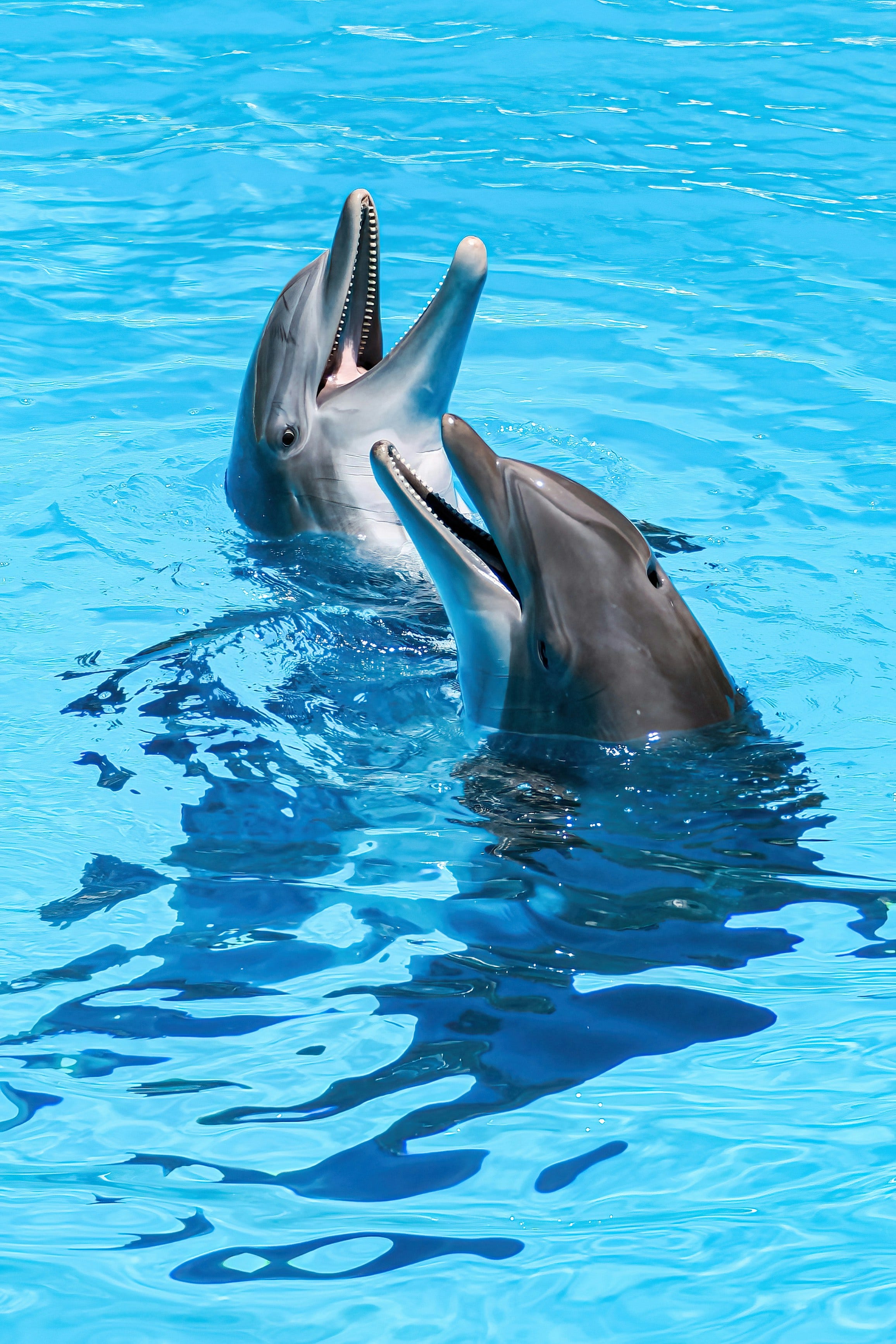
Dolphins support other sick or injured dolphins at the surface so they can breathe, and form protective circles around other vulnerable dolphins. Meerkats expose themselves to danger in order to act as sentinels for the rest of the group. Wolves feed injured pack members and share food with individuals who did not participate in the hunt. Chimpanzees sometimes adopt orphaned infants who are not genetically related to them. Bonobos have been seen sharing their food with strangers.
You get the picture.
We’re not so unique.
Animals use tools. They cooperate. They share food, comfort one another, even sacrifice for the group.
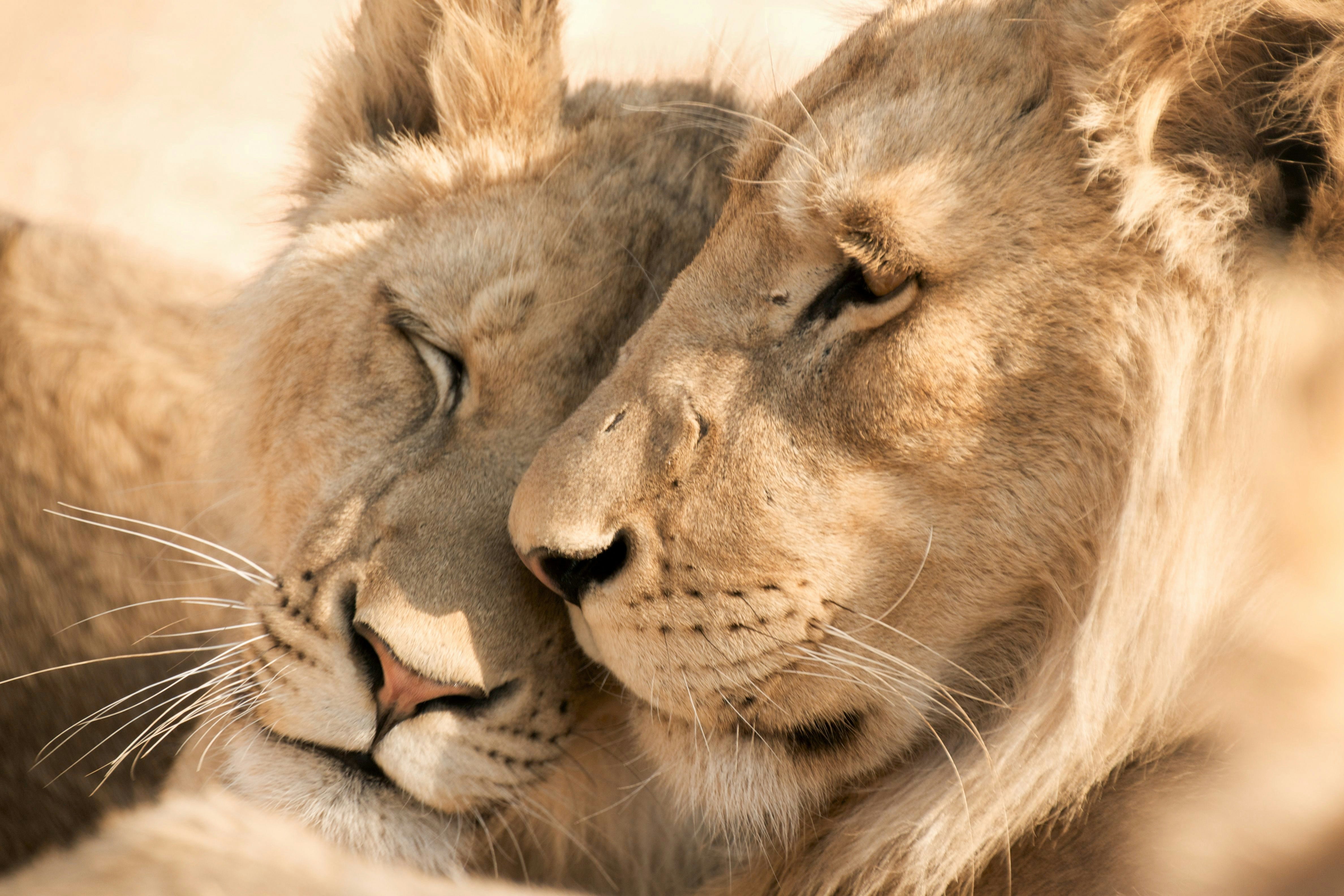
Once you begin to really examine the evidence, that tired old story — that humans alone are capable of cooperation, intelligence, and care — starts to look much less convincing.
And yet we’ve spent thousands of years insisting that humans sit above animals, because we are “civilised,” and thus distinct from the “wild” world. Wild is just a concept, a derogatory label we stuck on “lesser-than, more savage” creatures than ourselves, to lift ourselves up and out. To keep ourselves separate.
That idea — that we stand outside the living world — may be the most dangerous assumption our civilisation ever made.
Because the truth appears to be something much simpler.
We were never outside the garden.
We were always just one of the species growing inside it.
And there is no such thing as wild.
Hugs,
Shann.x
Shann Jones MBE
Founder/Director Chuckling Goat
The Most Influential Business Leader to Watch in 2026, The Enterprise World
ps – Wild or no wild – I want you to FEEL BETTER. And if you want that too – connect with our lovely Nutritional Therapists on live chat, 8 am to 8 pm every weekday, to get your questions answered and get your gut health journey kicked up into a new gear!