Share this post:


10 prebiotic foods to naturally support gut health

A healthy gut does much more than aid digestion. When your gut bacteria are balanced and thriving, they can support stronger immunity, better digestion, healthier skin, improved mood, and overall wellbeing.
Most people know that probiotics help replenish beneficial bacteria in the gut. However, those good bacteria also need the right fuel to survive and multiply. That’s where prebiotics come in.
Prebiotics are a special type of dietary fibre that passes through the digestive system undigested and feeds the beneficial bacteria living in your gut. By eating more prebiotic-rich foods, you create the ideal environment for your microbiome to flourish.
Where are these prebiotics?
Getting a wide variety of prebiotic fibres every day isn’t always easy.
Our Complete Prebiotic provides a convenient blend of prebiotic fibres to help nourish your gut bacteria. It mixes easily into water, smoothies, or juice. For even greater gut support, pair it with our award-winning kefir to combine the benefits of both prebiotics and probiotics.
Of course, whole foods should also play an important role in a healthy diet. Here are 10 of the best prebiotic foods to include in your meals:
- Garlic – Garlic is one of the richest natural sources of inulin, a prebiotic fibre that helps nourish beneficial bacteria such as Bifidobacteria and Lactobacilli. Whether roasted, crushed into sauces or added to stir-fries, garlic is an easy way to support a healthier gut.
- Onions – Onions contain high amounts of inulin and fructooligosaccharides (FOS), both of which encourage the growth of beneficial gut bacteria. They’re delicious in soups, salads, curries, and slow-cooked dishes.
- Leeks – Much like onions, leeks are very versatile and rich in inulin and FOS. Their mild flavour makes them a versatile addition to soups, quiches, pasta dishes and roasted vegetable trays. And as any Welshman/woman knows, you can’t have cawl without leeks!
- Asparagus – Asparagus is another excellent source of inulin. Alongside supporting beneficial gut bacteria, research suggests it may also help support regular bowel movements, healthy blood sugar levels, and metabolic health.1https://pubmed.ncbi.nlm.nih.gov/ Delicious grilled, steamed, or in salads.
- Unripe bananas – Slightly green bananas are naturally rich in resistant starch, a powerful prebiotic that is fermented by gut bacteria to produce butyrate, a short-chain fatty acid that helps maintain the gut lining and supports a healthy inflammatory response.2https://pmc.ncbi.nlm.nih.gov/articles/ Choosing bananas that are still slightly green provides more resistant starch than fully ripe bananas.
- Barley – Barley is packed with beta-glucan, a soluble fibre that promotes the production of beneficial short-chain fatty acids. These compounds help support healthy digestion, bowel regularity, and a balanced gut environment.3https://pmc.ncbi.nlm.nih.gov/articles/ It works well in soups, stews, or as a side dish.
- Sweet potatoes – Sweet potatoes provide resistant starch, particularly after they have been cooked and cooled. They’re also rich in vitamins, minerals, and fibre, making them an excellent choice for supporting digestive health. Enjoy them roasted, mashed or added to salads.
- Banana blossoms – Banana blossoms are an often-overlooked source of fibre and prebiotics. They can help support digestive regularity and the health of the intestinal lining while adding variety to your diet. They work well in salads, curries or lightly fried dishes.
- Oats – Oats are one of the easiest prebiotic foods to include in your daily routine. They contain both beta-glucan and resistant starch, which help feed beneficial bacteria while supporting gut barrier function and digestive health. Enjoy oats as porridge, overnight oats, or incorporated into your baking.
- Apples – Apples are rich in pectin, a prebiotic fibre that supports beneficial gut bacteria while contributing to healthy digestion, immune function and bowel regularity.4https://pmc.ncbi.nlm.nih.gov/articles/ They are very versatile, whether fresh, baked or sliced into salads or oatmeal.
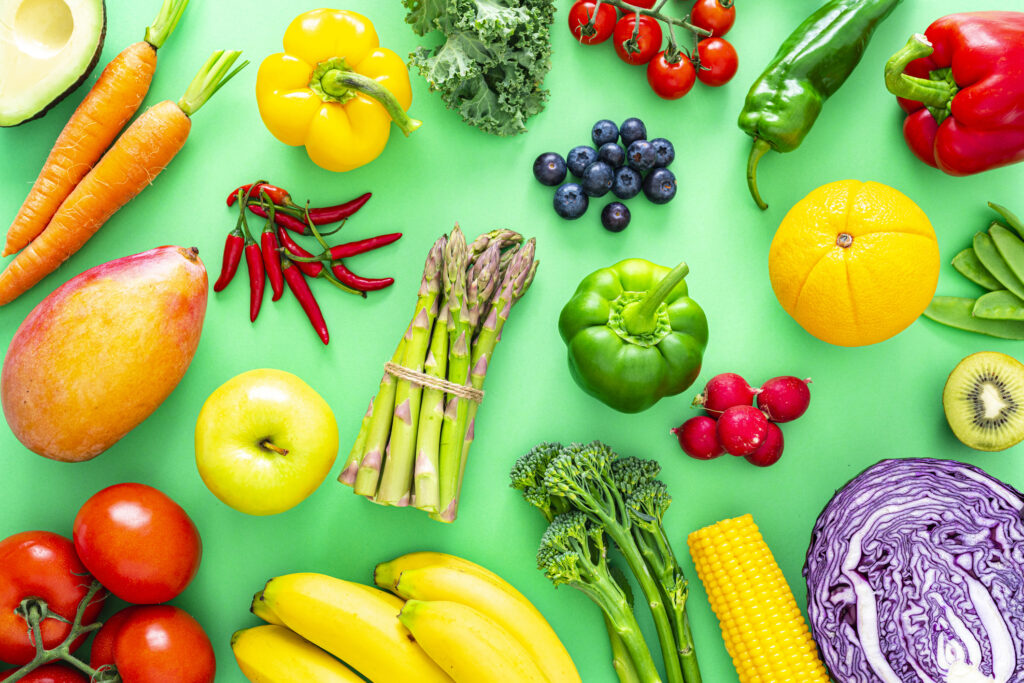
Adding more prebiotic foods to your diet is one of the simplest ways to nourish your gut microbiome and support your overall health. Aim to eat a wide variety of fibre-rich plant foods to encourage a diverse and resilient population of beneficial bacteria. You know what they say – eat the rainbow! 🌈
For even greater benefits, combine prebiotic foods with naturally fermented probiotic foods such as kefir, sauerkraut and kimchi. Together, they help support a balanced microbiome, healthy digestion and long-term wellbeing.
For more healthy food inspiration, check out these 5 easy & gut-friendly breakfasts for summer
Any questions? Contact one of our Nutritional Therapists via live chat, weekdays from 8 am to 8 pm.
References
- 1
- 2
- 3
- 4