Share this post:


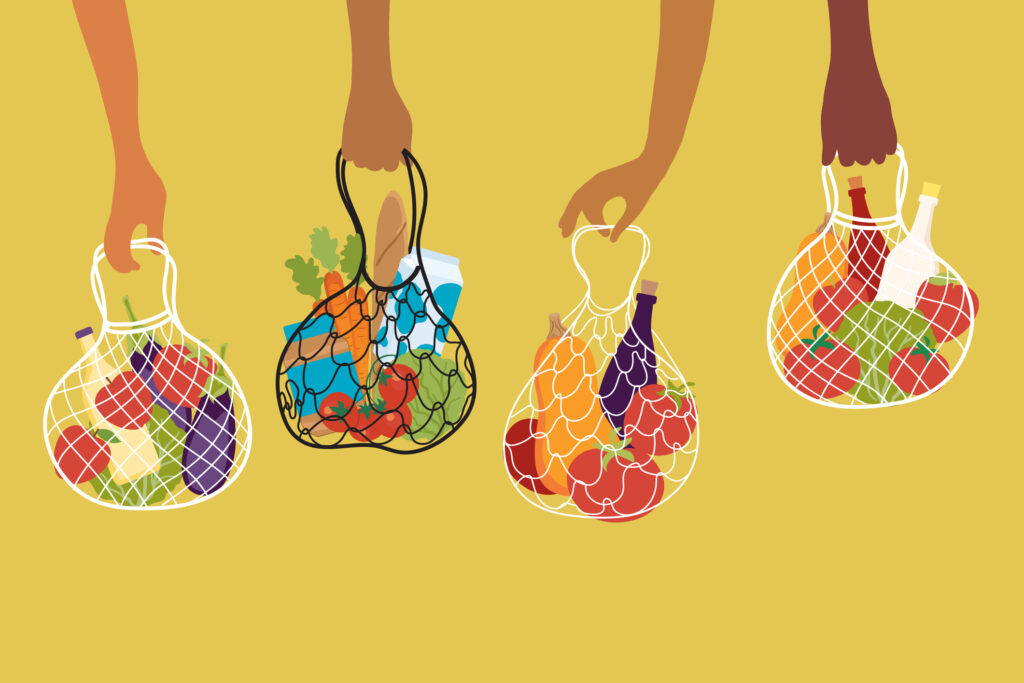
Your September shopping list: 9 foods your gut will love!

If your gut could do the weekly shop this autumn, what would it put in the trolley?
September is the perfect time to fill your basket with colourful, seasonal foods that give your gut plenty to work with. Your microbes thrive on diversity, because different bacteria feed on different types of fibre and plant compounds.1https://journals.asm.org/doi/
So, what would make the cut?
Your gut’s September shopping list:
1. Apples & pears 🍎🍐
September is prime season for both apples and pears. These delicious autumn fruits provide fibre, including pectin, as well as polyphenols that your gut bacteria transform into a range of beneficial compounds.2https://www.sciencedirect.com/science/article/
Gut bonus: Keep the skin on when you can. The skin contributes additional fibre and plant compounds.
2. Pumpkin & squash 🎃
Butternut squash, pumpkin and other autumn squashes are packed with fibre and colourful plant compounds, including carotenoids.
Gut bonus: Don’t throw away the seeds! Roast them with a little oil and your favourite spices for a crunchy, fibre and mineral-rich topping for soups, salads or roasted vegetables.
3. Beetroot ❤️
Beetroot brings plenty of colour to your plate thanks to its betalains, alongside fibre and other plant compounds.
Gut bonus: Don’t throw the leaves and stems! The’re edible and packed with fibre and nutrients. Add them to a stir-fry, soup or stew, or pickle them for later.
4. Brassicas 🥦
Cabbage, broccoli, cauliflower, kale and brussels sprouts are all worth rotating through your autumn meals. Different vegetables provide different fibres and phytochemicals – so don’t stick to the same few veggies every week.
Gut bonus: Chop before you cook! Cutting broccoli, cabbage and other brassicas into pieces and leaving them for 5-10 minutes before cooking gives a natural enzyme called myrosinase time to work, helping your body produce powerful beneficial compounds such as sulforaphane.3https://www.sciencedirect.com/science/article/ Don’t have time? Adding a little raw or lightly cooked mustard or mustard powder to your meal can provide an extra source of myrosinase.
Feeling adventurous? Try growing your own broccoli sprouts. They’re particularly rich in compounds that your body uses to make sulforaphane – and they’re surprisingly easy to grow on your kitchen windowsill!
5. Berries 🫐
Fresh or frozen, berries are an easy way to add fibre and polyphenols to your diet. Your gut microbes help break down berry polyphenols into smaller compounds, while their fibre provides fuel for fermentation.4https://www.sciencedirect.com/science/article/
Gut bonus: Go for variety rather than sticking with one favourite. Mix blueberries, raspberries, blackberries and strawberries – or use frozen berries when fresh are out of season. Different berries provide different polyphenols and fibres for your microbes.
6. Lentils & beans 🫘
Perfect for warming autumn soups, stews and curries, legumes provide plenty of fibre and plant protein. They contain fermentable fibres and resistant starches that beneficial bacteria love.5https://pubmed.ncbi.nlm.nih.gov/
Boost your nutrition with these 7 beneficial beans!
Gut bonus: Short on time? Canned beans and lentils are a brilliant cupboard staple – simply drain and use them. Want to experiment? Try sprouting lentils or chickpeas for an easy way to add variety to your diet.
Important: If you’re not used to eating many legumes, introduce them gradually – your microbes may need time to adjust to the extra fibre!
7. Wild mushrooms 🍄
September is prime mushroom season, so add shiitake, oyster, maitake, porcini, or other edible mushrooms to your autumn meals. Try them roasted, sautéed into a stir-fry, or added to a warming soup.
Feeling adventurous? Look for local mushroom foraging groups led by qualified, experienced foragers who can teach you how to identify different species safely and confidently.
Mushrooms contain unique fibres such as beta-glucans, which can interact with and be fermented by your gut microbes, while also providing a variety of other bioactive compounds.6https://www.mdpi.com/ Learn more about the benefits of mushrooms here.
Gut bonus: Want an easy way to add a variety of mushrooms to your diet? Our Complete Mushroom Blend contains 13 different mushrooms, including Reishi, Shiitake and Lion’s mane.
Important: If you’re foraging, only eat wild mushrooms that have been confidently identified as edible. Some poisonous species can look remarkably similar to edible varieties.
8. Fermented foods 🥛
Don’t forget to add fermented foods to your September shopping list!
Kefir, live yoghurt, sauerkraut, and other traditionally fermented foods can provide beneficial microorganisms and fermentation-derived compounds, like short-chain fatty acids (SCFAs).
Gut bonus: Opt for our traditionally fermented goat’s milk kefir which introduces 90+ strains of beneficial bacteria.
And remember: probiotics need food too!
That’s why our Gut Health Protocol combines kefir, with Complete Prebiotic, which contains 18 different fibres to nourish your gut microbes. Read about our study here.
9. Complete Prebiotic + Complete Postbiotic 🌱
Think of these as the power boosters your gut adds to the trolley.
Complete Prebiotic → FEEDS your beneficial bacteria with 18 different fibres.
Complete Postbiotic → PROVIDES beneficial microbial compounds, including fermentation-derived compounds such as SCFAs.
Your microbes naturally produce postbiotics when they ferment fibre, so the three work beautifully together:
- Kefir → introduce
- Prebiotic → feed
- Postbiotic → provide
This powerful trio, helps support your gut health and in turn, your immune health – and who doesn’t want a strong immune system as we head into autumn?
Gut bonus: Why not combine them all in a Gut Health Smoothie? It’s an easy and tasty way to bring the three together in one simple routine.
Happy shopping!
You don’t need to buy every “superfood” going.
Instead, aim for variety.
Try adding one or two new plant foods to your basket each week. Apples, pears, squash, beetroot, brassicas, berries, legumes, herbs, and spices all contribute different fibres and plant compounds to your diet.
Because when it comes to your microbiome, variety matters! The more diverse your diet, the more diverse the menu you’re offering your gut microbes.
And your gut microbes are hungry!
Any questions? Contact one of our Nutritional Therapists via live chat, weekdays from 8 am to 8 pm.
References
- 1
- 2
- 3
- 4
- 5
- 6